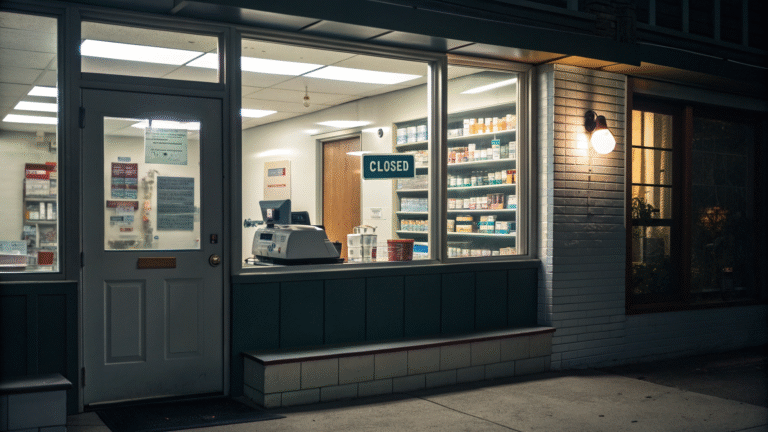
The Gag Rule is Gone: You Can Talk Pricing With Your Patients
For years, PBMs embedded infamous “gag clauses” directly into pharmacy contracts. Pharmacists were forced to dodge patient questions about cost and anyone who talked openly with patients about pricing options risked losing their contract altogether with PBMs.
For pharmacists, it felt like navigating a minefield. The stakes were high and to survive, it was best to avoid conversations about drug pricing with patients.
In 2018, the gag clauses were made illegal but to many pharmacists, the threat still feels real. If talking about pricing with your patients still makes you queasy, we created this guide for you.
About The Know the Lowest Price Act
In October 2018, President Trump signed two bipartisan bills into law that made gag clauses an illegal practice. The Patient Right to Know Drug Prices Act prohibits insurers and PBMs from restricting pharmacies from providing drug price information to patients when a lower-cost option exists. The Know the Lowest Price Act extends the same protection to patients covered by Medicare Advantage and Medicare Part D.
Both bills passed with unanimous bipartisan support. The legislation was backed by the National Community Pharmacists Association, the American Medical Association, and a broad coalition of health care organizations.
The law is clear: PBMs can no longer contractually prevent you from having an honest pricing conversation with your patients.
Read more about the legislation from Pharmacy Times.
What You’re Legally Allowed to Talk to Patients About
Here’s exactly what you’re allowed to discuss with patients today — without any risk to your PBM contracts:
- The cash price of a prescription — If a patient’s out-of-pocket cost under their insurance plan is higher than what they’d pay in cash, you can tell them. Proactively. Without waiting to be asked.
- Lower-cost alternatives — You can let patients know when a generic version of their medication is available, or when a therapeutically similar drug might cost significantly less.
- Pricing differences between pharmacies — You can acknowledge that prices vary across pharmacies and encourage patients to shop around if cost is a concern for them.
- Discount programs and other payment options — You can discuss cash pay programs, pricing services, or other options that might reduce what a patient pays out of pocket. You can also be transparent about why you don’t accept discount cards in your store.
- What their prescription actually costs you to fill — You can have an honest conversation about reimbursement and margins if a patient asks why you can or can’t fill a particular prescription at a certain price.
Why So Many Pharmacists Are Still Staying Quiet
Legislation changes what’s legal. It doesn’t automatically change what feels safe.
Pharmacists who spent years under the threat of gag clauses don’t just flip a switch when a law changes. The caution that protected their businesses for years doesn’t disappear overnight. For many independent pharmacists, the habit of not discussing pricing with patients is so deeply ingrained that they continue the practice.
On the flipside, PBMs are not actively working to spread awareness about The Know the Lowest Price Act, and the removal of the gag clause, because they continue benefitting from pharmacists that continue to self-censor on pricing conversations.
The Competitive Advantage Nobody Is Talking About
Independent pharmacies compete against chains that have more floor space, more marketing budget, and more name recognition. What independent pharmacies have always had is something chains can’t replicate at scale: a real relationship with the patient standing at the counter.
Pricing conversations are one of the most direct expressions of that relationship. When a patient comes to your counter and you tell them — without being asked — that you’ve found a way to save them money on this prescription, that’s not just good service. That’s the kind of moment patients remember. That’s why they keep coming back.
The gag rule didn’t just suppress pricing conversations. It suppressed one of the most powerful tools independent pharmacies have for building patient loyalty. Now that it’s gone, pharmacists who take advantage of that freedom will have a genuine edge over those who are still operating in the old mode.
More About The Know the Lowest Price Act
In October 2018, President Trump signed two bipartisan bills into law that made gag clauses an illegal practice. The Patient Right to Know Drug Prices Act prohibits insurers and PBMs from restricting pharmacies from providing drug price information to patients when a lower-cost option exists. The Know the Lowest Price Act extends the same protection to patients covered by Medicare Advantage and Medicare Part D.
Both bills passed with unanimous bipartisan support. The legislation was backed by the National Community Pharmacists Association, the American Medical Association, and a broad coalition of health care organizations.
The law is clear: PBMs can no longer contractually prevent you from having an honest pricing conversation with your patients.
Read more about the legislation from Pharmacy Times.
Pricing Conversations Are Just the Start
Being empowered to talk openly about pricing is one thing. Having a pricing strategy that’s actually worth talking about is another.
If you’re still relying on cost-plus pricing, running discount cards, or managing cash prescriptions without a clear framework, the freedom to discuss prices with patients doesn’t solve the full problem. You need a rational, consistent pricing strategy that protects your margins, serves your patients fairly, and holds up under scrutiny — one that you can stand behind when a patient asks why your price is what it is.
That’s what GoMango was built to provide — a fair, stable, profitable pricing strategy designed specifically for independent pharmacies, with the data and reporting to back it up.
Ready to Talk About Your Cash Pricing Strategy?
If you’re ready to take more control over your cash pricing, request a cash pricing assessment today.